Honoring members we’ve lost.
The AACA marks the passing of colleagues whose work shaped clinical anatomy and whose mentorship shaped its next generation. Tributes from the membership are gathered below.
Members remembered.
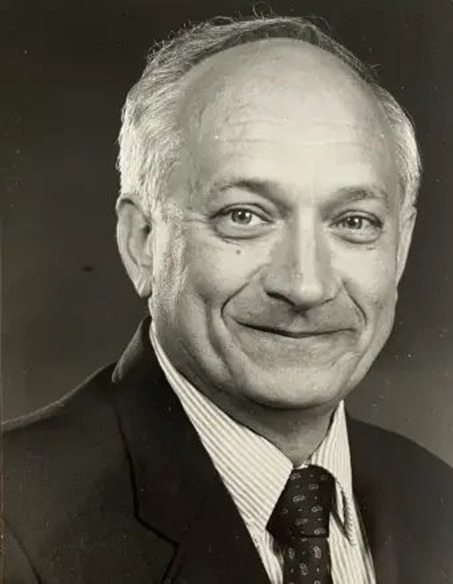
Dr. Raymond Gasser
1936 – 2026
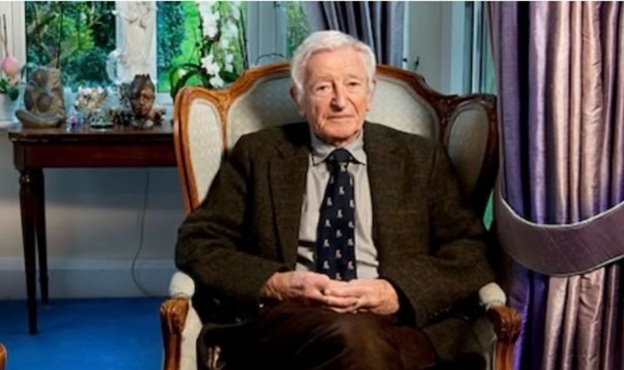
Dr. Harold Ellis
1926 – 2026
Dr. Anne M. R. Agur
1953 – 2026
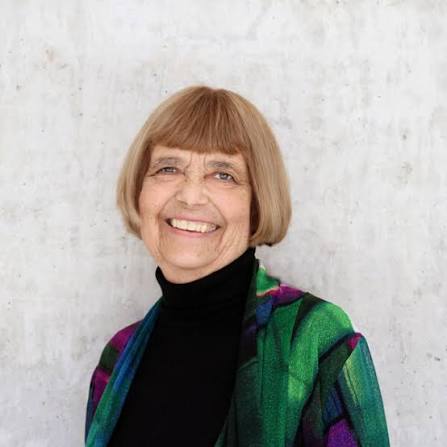
Dr. Andrew F. Payer
1943 – 2025
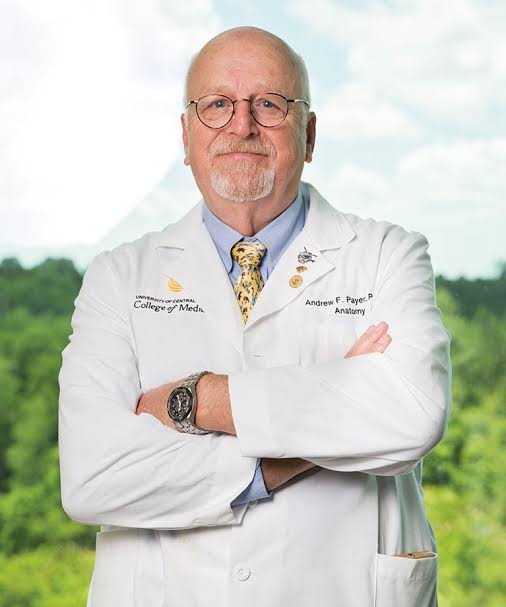
Dr. Stephen Webb Carmichael1945 – 2025
Born in Detroit, Michigan, in 1945, Stephen spent his formative years in Modesto, California. In 1963, he enrolled at Kenyon College, where he excelled both academically and athletically. He majored in biology and, under the mentorship of his senior advisor, Dr. Frank Yow, pursued advanced study in anatomy due to his strong aptitude for visual learning. He then proceeded to earn a Ph.D. in Anatomy from Tulane University, graduating at the top of his class in 1971. In recognition of his accomplishments, Kenyon College awarded him an honorary Doctor of Science degree in 1988.
In 1971, Stephen began his academic career as an Assistant Professor of Anatomy at the West Virginia University School of Medicine in Morgantown. Over the next twelve years, he thrived as a teacher, researcher, and mentor. In 1983, he accepted an invitation to join the Mayo Clinic School of Medicine, which was just then integrating anatomy into the first-year curriculum. Stephen’s contributions extended beyond Gross Anatomy; he also spearheaded the development of courses in histology and embryology. Rising steadily through the academic ranks, he became Professor of Anatomy in 1986, Chair of the Department of Anatomy in 1991, and later received a joint appointment in Orthopedic Surgery. Upon his retirement in 2007, he was honored with the titles Professor and Chair Emeritus of Anatomy and Professor Emeritus of Orthopedic Surgery.
Throughout his career, Stephen authored and co-authored hundreds of scientific publications spanning the breadth of the anatomical sciences. Among his many achievements, he took particular pride in his 1985 Scientific American article on the suprarenal chromaffin cells. His work was supported by competitive research grants, including those from the NIH, and his scholarly output encompassed numerous abstracts, atlases, and textbooks. He was also a frequent and respected speaker at international anatomical conferences. Additionally, Stephen had the longest-running editorial (over 200 articles) for the journal Microscopy Today, Carmichael’s Concise Review, which appeared in each issue of the journal.
Stephen was a founding member of the American Association of Clinical Anatomists (AACA). He served as Editor-in-Chief of the association’s journal, Clinical Anatomy, from 2000 to 2012, and was active on its Council from 2001 to 2012, later serving as Councilor-at-Large until 2018. His contributions were recognized with the AACA’s R. Benton Adkins, Jr. Distinguished Service Award in 2013 and its Honored Member Award in 2020.
Stephen was the recipient of the Mayo Clinic Distinguished Alumni Award in 2013. Stephen willed his body to the Mayo Clinic, ensuring that even after his passing, he could continue to foster anatomy and medicine.
As a friend, colleague, and mentor to many in our Association, he will be sorely missed.
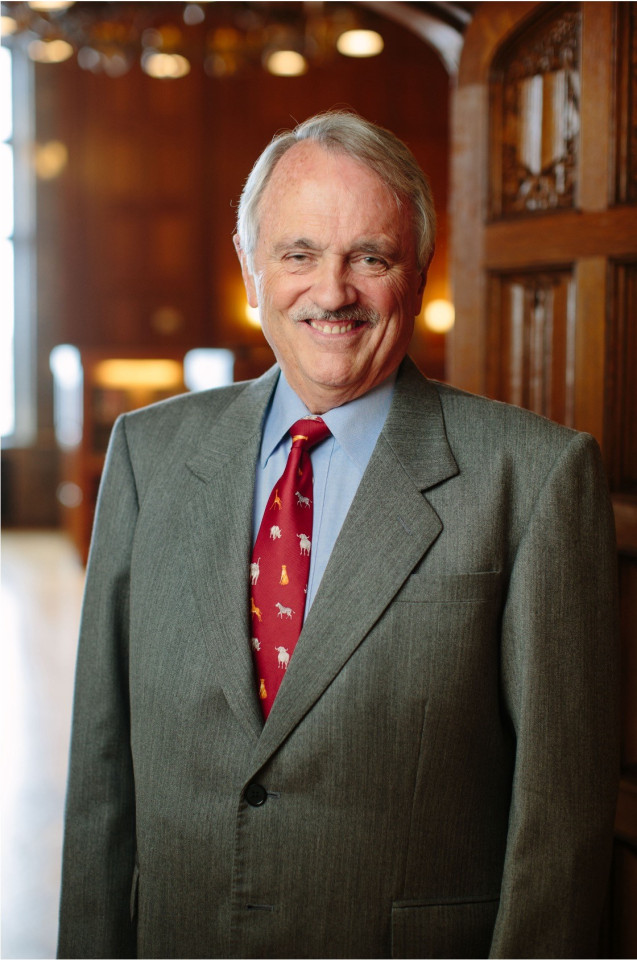
Robert A. Chase, M.D. 1923 – 2024
September 9, 2024
Daniel O. Graney, Ph.D.1936 – 2023
January 13, 2023
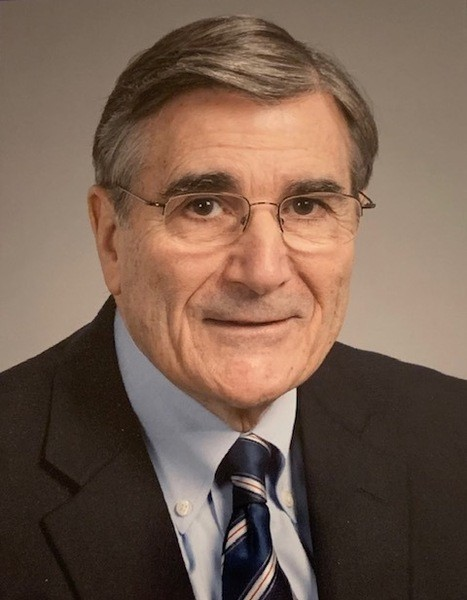
Dr. Neil Norton 1965 – 2022
Nov 28, 2022
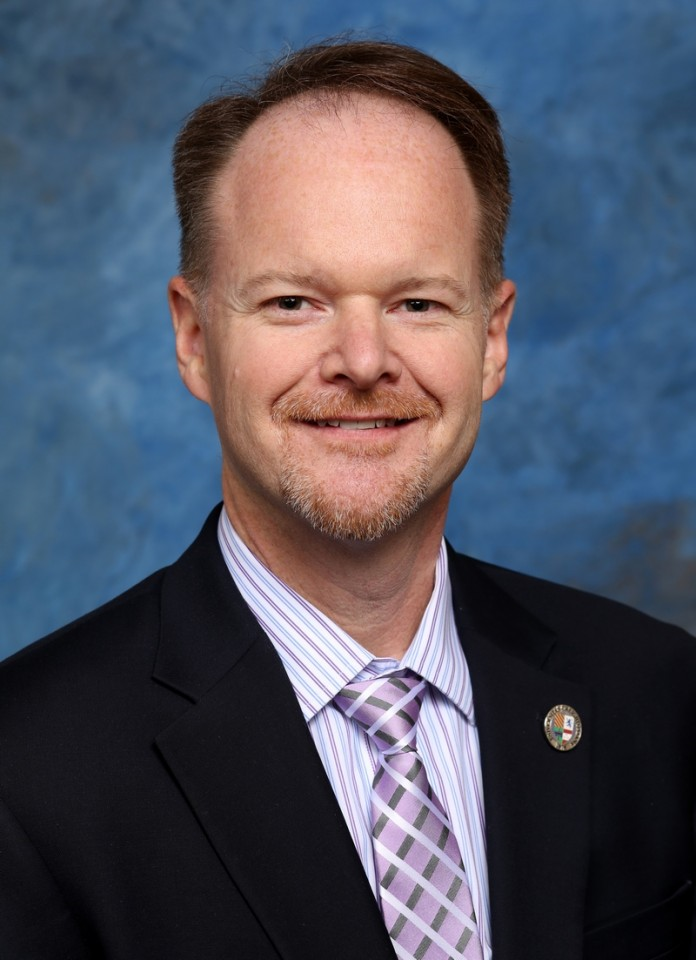
Dr. Keith L. Moore1925 – 2019
Dr. Keith L. Moore. Dr. Moore was a Professor Emeritus in the Division of Anatomy, Department of Surgery at the University of Toronto, Canada. During his tenure, he served as the Chair of Anatomy and Associate Dean for Basic Medical Science in the Faculty of Medicine, University of Toronto. He was born on October 5, 1925 in Brantford, Ontario, Canada and passed away on November 25, 2019.
Keith joined the Canadian Navy during World War II. When the war was over, he went to Western University to earn his BA M.Sc., and Ph.D. degrees. He later married Marion McDermid in 1949. In 1956, he accepted the position of Assistant Professor at the University of Manitoba and became the Head of Anatomy in 1965. In 1976, he accepted the position of Chair of Anatomy at the University of Toronto and was promoted to Associate Dean of the Basic Medical Sciences in 1985.
Dr. Moore was a founding member of the AACA and his dedication to the organization was extraordinary. He was Vice-President from 1986-1987, President Elect from 1987-1989, President from 1989-1991, and Past President from 1991-1993. He served on the Editorial Board of Clinical Anatomy from 1988-2012. He earned numerous prestigious awards including the AACA Honored Member in 1994 and the Benton Adkins, Jr. Distinguished Service Award in 2012. Dr. Moore and his wife Marion established the Keith and Marion Moore Blue Box Award which is awarded annually, with a qualified submission, for the best student paper published in Clinical Anatomy.
As a renowned anatomist, Dr. Moore authored 16 anatomy textbooks and over 60 research papers. His research focused on embryology and teratology. He was a Fellow of the Royal Society of Medicine, the International Academy of Cytology, and the American Association of Anatomists. He was a member of the International Committee on Anatomical Terminology and received the Queen Elizabeth II Diamond Jubilee Medal in 2012.
The AACA is so fortunate to have had Dr. Moore shape, impact, and serve so many members over the years. For more details on Dr. Moore’s legacy, please read a wonderful tribute to Dr. Moore written by Drs. Agur and Dalley https://doi.org/10.31051/1852.8023.v12.n1.27394 .
Agur, A., & Dalley, A. (Art). (2020). DR. KEITH LEON MOORE, BA, MSC, PHD, HON. D.SC (OSU), HON. D.SC (WU) FIAC, FRSM, FAAA : October 5, 1925 – November 25, 2019. Revista Argentina de Anatomía Clínica, 12(1), 8–10. https://doi.org/10.31051/1852.8023.v12.n1.27394

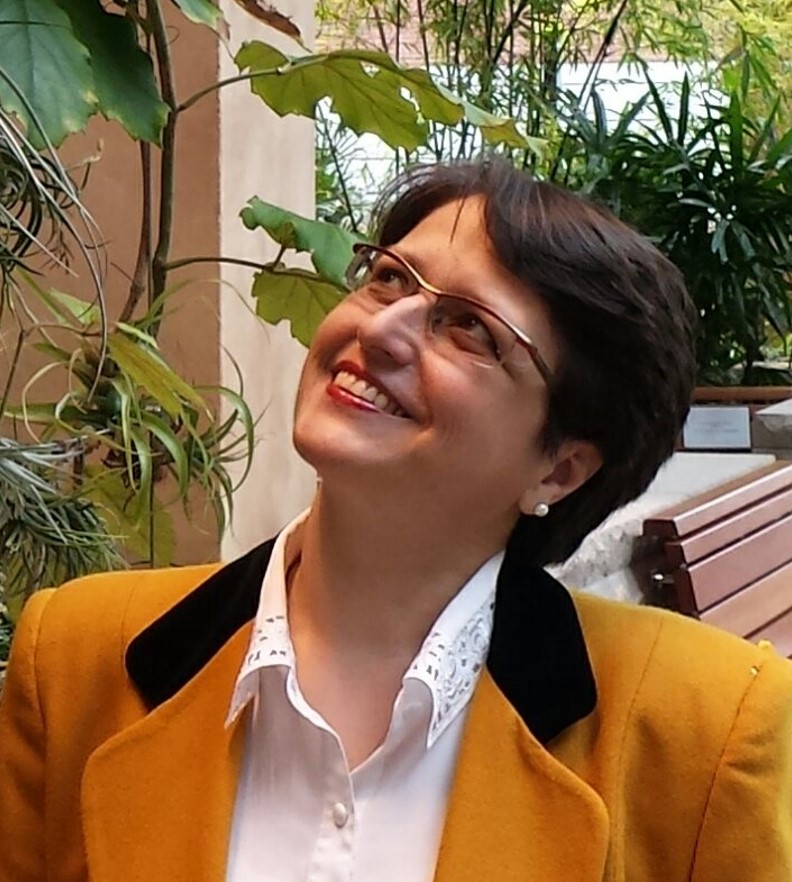
Ancuta (Anca) M. Stefan, MD1960 – 2018
Ancuta (Anca) M. Stefan, MD, our friend, colleague and fellow clinical anatomist will always be remembered by the benevolence and warmth she continues to invoke in those of us who were privileged to know her.
As an educator with genuine interest in deep learning, Anca’s insight, creativity, innovative thinking, and passion for changing the status quo are reflective in the contributions she had made to consolidate and advance the clinical relevance of anatomical sciences across the curriculum through a variety of pedagogical and technological modalities including medical simulation and virtual reality.
After starting her career as a physician and academic in her native Romania and then practicing medicine in the British Virgin Islands for several years, Anca moved to the USA where she held faculty appointments in basic sciences and/or clinical departments at several medical schools and rose to the rank of Associate Professor. She also became a Harvard Macy Scholar. Anca directed diverse courses and programs (histology, clinical skills and medical simulation), played an important part in curriculum development and interprofessional education, and was active in multiple professional societies. She gave presentations, contributed to workshops and symposia, and was an invited speaker about various topics at institutional, national and international venues.
In every place she worked, Anca pushed boundaries even when opportunities were limited and obstacles were many. She did not complain, she did not waiver and she maintained what few are able to do, a strong sense of significance for clinical application of histology and anatomy in medical and dental education. Her work and legacy will continue to reflect through the minds and hearts of her former students, while her colleagues, in our minute of silence, will draw from her strength as we drive our practice forward, learning from those who have walked before us.
Anca’s journey must not be overshadowed by the impediments that life brought her; for these were no challenges to her resilience, grace and acceptance. Anca embraced her life as she did her death. I followed her journey both personally and through the heart of her husband Cristian Stefan, MD. Inseparable in life, they stood by each other, growing together, learning together and loving each other, when in the most challenging of times, nothing was more important to them than each other. How much I have admired and learned from this relationship, two people who were able to experience life, not just by living, but indeed by understanding the art of living.
For Anca, there was always a sense of commitment to leaving her space just a little better than how she had found it, there was always a sense of respect for knowledge and its potential, a sense of gratitude for every form of friendship and a sense of honor for all things higher than herself. Anca left us richer through the expression of her strength; she left us knowing that there is nothing too small to have purpose and nothing so big that we recede from life.
As Anca believed in life; death was not her end. As ages pass and the dawn will bring yet another day, death cannot be the final destination. We continue to contemplate the question of eternal life – the unyielding search for immortality then let us accept with open surrender, the inevitable cycle of life and death of all things material. For not through one’s possessions but through one’s action is one immortalized and that becomes one’s legacy.
Nirusha Lachman PhD
Professor and Chair: Department of Anatomy
Consultant: Department of Anatomy and
Department of Surgery, Division of Plastic Surgery
Mayo Clinic College of Medicine and Science
Mayo Clinic